

Regenerative tourism at the End of the World
Sustainable or regenerative?
Ushuaia is a city of more than 80,000 people surrounded by nature of breathtaking beauty, but extremely fragile. We live here, and we know how much this place gives us.
That’s why we believe “leaving it as we found it” is no longer enough. We want to give back more than we take: to care for, repair and strengthen what sustains life in Tierra del Fuego, including the community that lives here.
Sustainable tourism seeks to reduce harm, so the activity can continue over time. Regenerative tourism goes one step further: beyond conserving, it tries to repair and improve the destination, its nature and its people.
It isn’t a finish line. It’s a way of making every decision.
- 01
We go against the flow
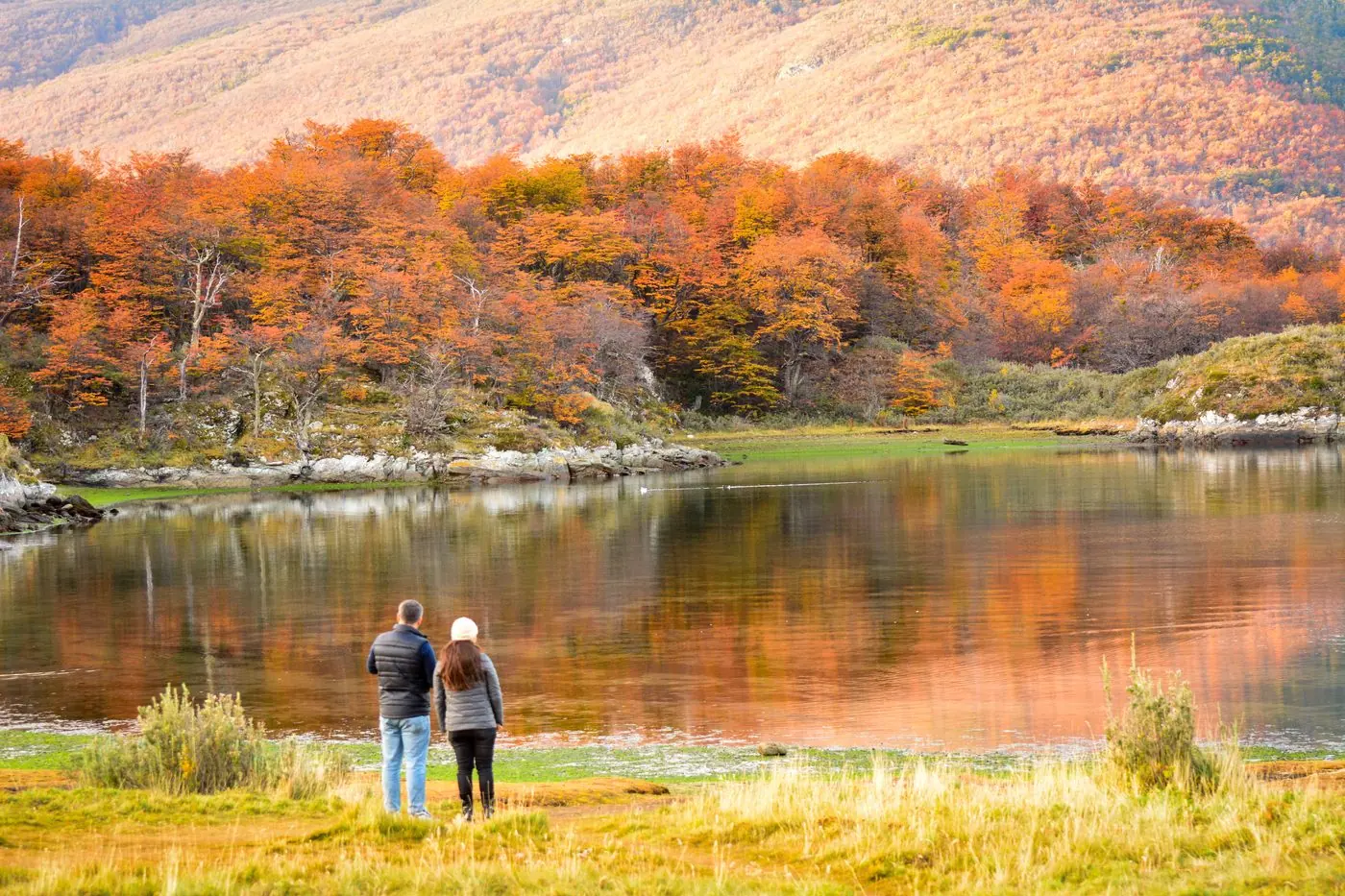
We visit Tierra del Fuego’s most popular places in the afternoon, once the big tour groups have left. Fewer people in the same place at the same time means less pressure on trails, wildlife and shorelines, and a better experience for everyone.
- 02
We come back with more trash than we brought
On every outing we carry gloves and bags to safely pick up any litter we find along the way. It’s a satisfaction we like to share, so we also bring gear for travelers who want to join in. No one has to, but almost everyone does.

- 03
Less plastic
We use as little plastic as possible. What we can’t avoid, we sort and take to be recycled.
- 04
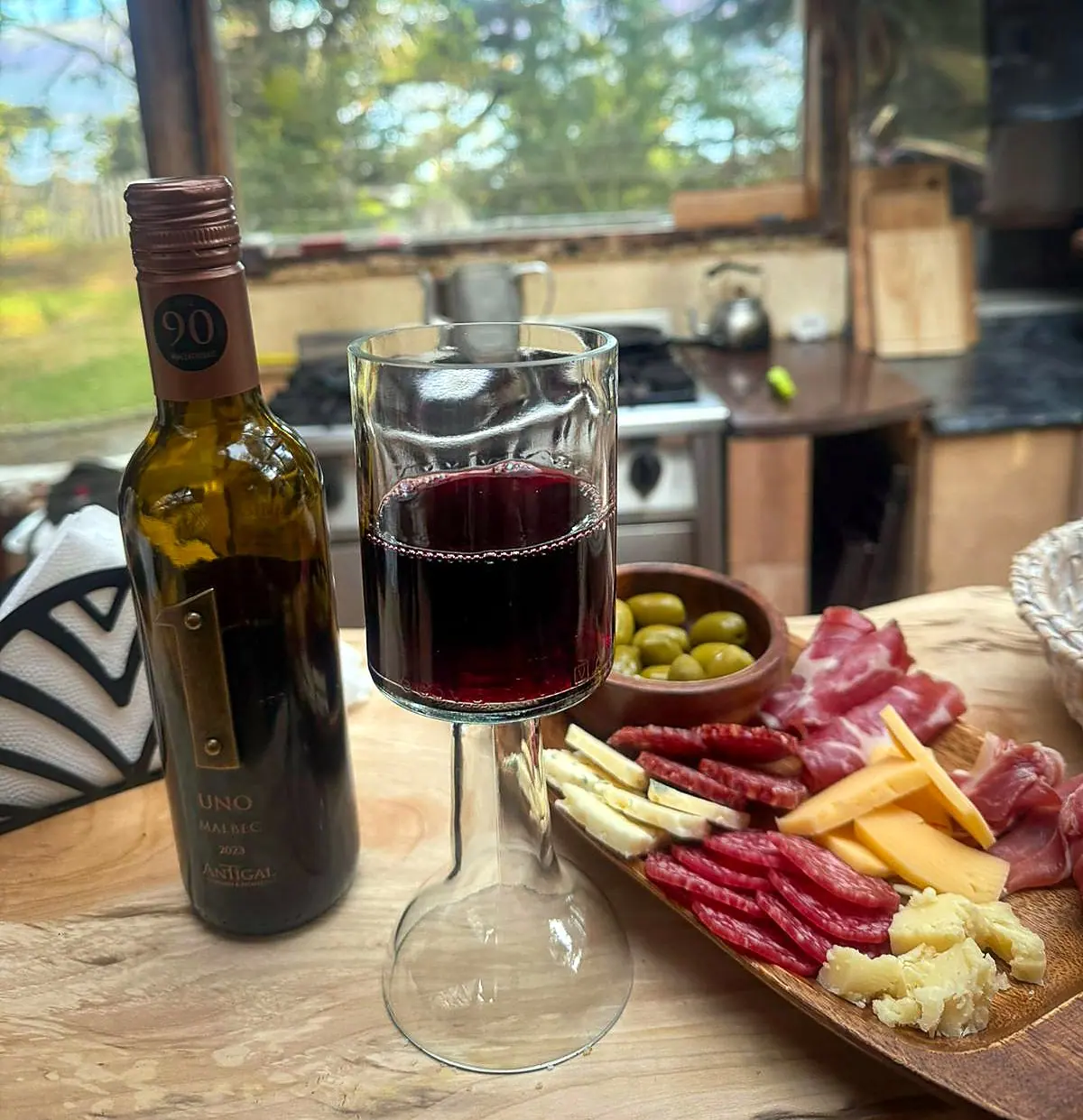
A second life for glass
We collect the glass bottles from our dinners and give them a new use. Look closely in our refuges and you’ll find some.
- 05
Community is part of the ecosystem
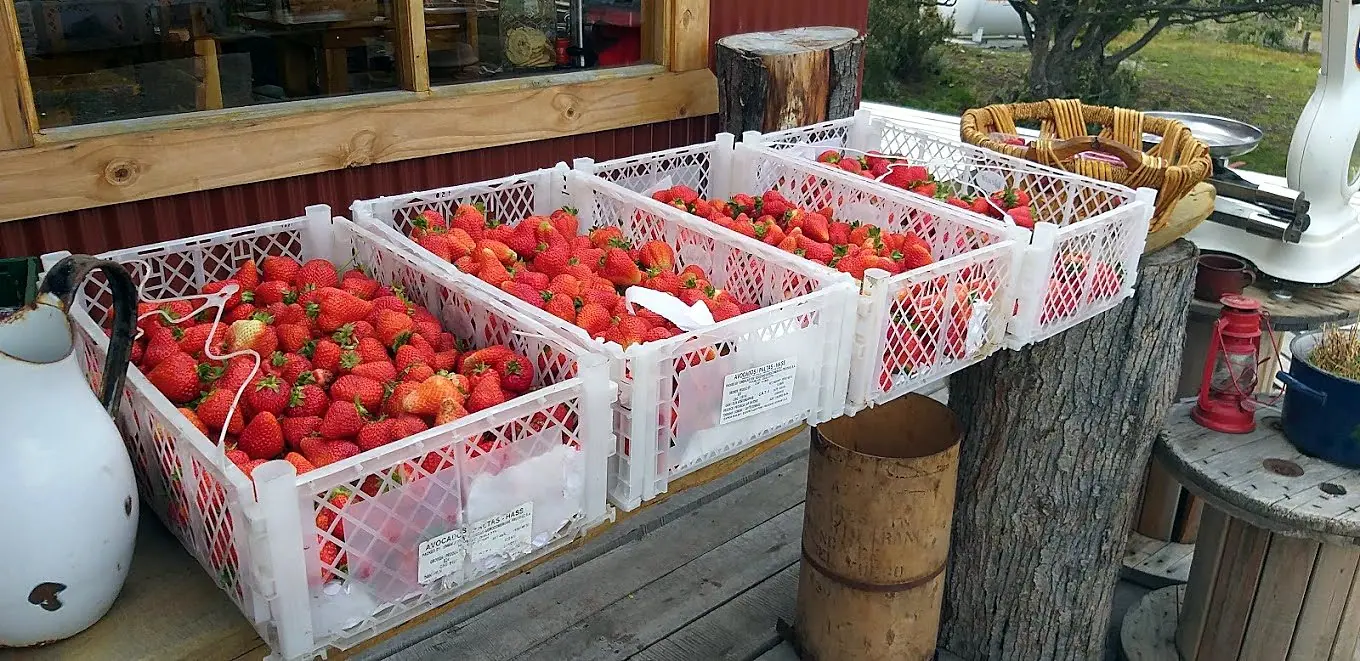
We buy the fresh produce for our dinners from local producers. We bring Fuegian families into our experiences, so they can take part in their own city’s tourism. And we visit local ventures that add value to the destination, such as the organic farm at Punta Paraná.
- 06
The memory of the Indigenous peoples
The Selk’nam, Yámana and Haush lived on this land for thousands of years. Their history is at the heart of every one of our outings, and their art inspires our brand’s visual identity, as a tribute and a way of keeping them present.
- Bring a reusable bottle: you can refill it on our outings.
- If you feel like it, join the litter pick-up during the walk.
- Keep what you saw, not what you found: stones, feathers and shells belong to the place.
- Buy souvenirs made by Fuegian artisans.
We’re a small company and we don’t get everything right. We still use fuel-powered vehicles, and we’re looking for ways to measure and offset our emissions. We’re telling you because we believe honesty is part of the commitment too.
See tours